When considering a turnkey indoor karting solution, one of the most critical aspects that often gets overlooked is energy consumption. As a provider of Turnkey Indoor Karting Solution, I understand the importance of this factor for both cost - effectiveness and environmental sustainability. In this blog, we will delve into the energy consumption requirements for a turnkey indoor karting solution.
1. Components of an Indoor Karting Facility and Their Energy Needs
Electric Go - Karts
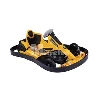
The heart of any indoor karting operation is the go - karts themselves. In recent years, electric go - karts have become increasingly popular due to their lower emissions, quieter operation, and instant torque. For example, our Shopping Mall Karting Electric Go Karts are designed for high - performance yet energy - efficient operation.
The energy consumption of electric go - karts depends on several factors. Firstly, the power rating of the motor plays a significant role. Higher - powered motors generally consume more energy. A typical electric go - kart motor can range from 5kW to 20kW. If we assume an average power consumption of 10kW per kart and a track with 20 karts running simultaneously, the total power demand from the karts alone would be 200kW.
Secondly, the driving style of the racers affects energy consumption. Aggressive driving with frequent acceleration and braking will use more energy compared to a more steady driving style. Additionally, the weight of the kart and the driver also impacts energy usage. Heavier karts and drivers require more energy to move.
Lighting
Proper lighting is essential for a safe and enjoyable karting experience. An indoor karting track needs to be well - lit to ensure that drivers can clearly see the track, obstacles, and other karts. The type of lighting used can have a significant impact on energy consumption.
LED lighting is the most energy - efficient option available today. LED lights consume up to 80% less energy than traditional incandescent bulbs and have a much longer lifespan. For a medium - sized indoor karting track of around 10,000 square feet, a well - designed LED lighting system might consume around 10 - 15kW of power.
Ventilation and Air Conditioning
Indoor karting facilities generate a significant amount of heat, especially when multiple karts are running. Ventilation and air conditioning systems are necessary to maintain a comfortable and safe environment for both drivers and spectators.
The energy consumption of these systems depends on the size of the facility, the outdoor temperature, and the desired indoor temperature. A large indoor karting track may require a ventilation and air - conditioning system with a capacity of 50 - 100 tons of refrigeration. Each ton of refrigeration is equivalent to approximately 3.5kW of power. So, a 50 - ton system would consume around 175kW of power.
Safety Barriers and Track Equipment
Safety is a top priority in indoor karting. Go Kart Safety Barrier systems are designed to absorb the impact of collisions and protect the drivers. Some safety barriers may have built - in sensors or lighting, which consume a small amount of energy.
In addition, other track equipment such as timing systems, scoreboards, and communication devices also require energy. These systems typically consume a relatively small amount of power, usually in the range of 1 - 5kW.
2. Calculating Total Energy Consumption
To calculate the total energy consumption of a turnkey indoor karting solution, we need to sum up the energy requirements of all the components. Let's assume a scenario with the following components:
- 20 electric go - karts with an average power consumption of 10kW each: 20 * 10kW = 200kW
- LED lighting system consuming 15kW
- Ventilation and air - conditioning system with a 50 - ton capacity (175kW)
- Track equipment and safety barrier systems consuming 3kW
The total power demand would be 200 + 15+175 + 3 = 393kW.
However, it's important to note that the actual energy consumption may vary depending on factors such as the operating hours of the facility, the number of karts in use at any given time, and the efficiency of the equipment.
3. Strategies to Reduce Energy Consumption
Energy - Efficient Equipment
Investing in energy - efficient equipment is one of the most effective ways to reduce energy consumption. As mentioned earlier, using LED lighting and high - efficiency electric go - karts can significantly lower energy usage. Additionally, choosing energy - efficient ventilation and air - conditioning systems can also make a big difference.
Smart Energy Management Systems
Implementing smart energy management systems can help optimize energy consumption. These systems can monitor and control the energy usage of different components in the facility. For example, they can adjust the lighting levels based on the time of day or the number of people in the facility. They can also regulate the temperature of the air - conditioning system to ensure that it operates at the most energy - efficient level.
Renewable Energy Sources
Integrating renewable energy sources such as solar panels or wind turbines can further reduce the reliance on grid electricity. Solar panels can be installed on the roof of the indoor karting facility to generate electricity. This not only reduces energy costs but also has a positive impact on the environment.
4. Impact of Energy Consumption on the Business
Cost Considerations
Energy consumption is a significant cost factor for an indoor karting business. High energy costs can eat into the profit margins of the business. By reducing energy consumption, businesses can save money on their electricity bills. For example, if a facility can reduce its energy consumption by 20%, it can potentially save a substantial amount of money over the course of a year.
Environmental Impact
In today's world, environmental sustainability is becoming increasingly important. An indoor karting facility with high energy consumption contributes to greenhouse gas emissions. By implementing energy - saving measures, businesses can reduce their carbon footprint and contribute to a more sustainable future.
5. Conclusion
Understanding the energy consumption requirements for a turnkey indoor karting solution is crucial for both the financial success and environmental sustainability of the business. By carefully considering the energy needs of each component, implementing energy - efficient equipment and management systems, and exploring renewable energy sources, indoor karting facilities can reduce their energy consumption and operating costs.


If you are interested in our Turnkey Indoor Karting Solution and want to learn more about how we can help you manage energy consumption effectively, please feel free to reach out to us for a procurement discussion. We are committed to providing high - quality, energy - efficient solutions for your indoor karting needs.
References
- Energy Star. (n.d.). Energy - efficient lighting. Retrieved from Energy Star official website.
- Electric Vehicle Association. (n.d.). Energy consumption of electric vehicles. Retrieved from Electric Vehicle Association official website.
- ASHRAE. (n.d.). Standards for ventilation and air - conditioning in commercial buildings. Retrieved from ASHRAE official website.