

Why Is Inflatable Park Safety So Important? A Complete Guide for Buyers and Operators
Inflatable parks have become one of the fastest-growing attractions in the family entertainment industry. From indoor inflatable playgrounds and bounce parks to large outdoor inflatable theme parks, these attractions provide exciting experiences for children and families around the world.
However, behind every successful inflatable park lies one critical factor: safety.
For park operators, distributors, and investors, ensuring the safety of inflatable equipment is not only a legal obligation but also the foundation of a sustainable business. Choosing inflatable products that comply with international safety standards can help prevent accidents, protect your reputation, and reduce long-term operational risks.
In this guide, we'll explain why inflatable park safety matters, the standards you should look for, and how manufacturers ensure the quality and reliability of commercial inflatable equipment.
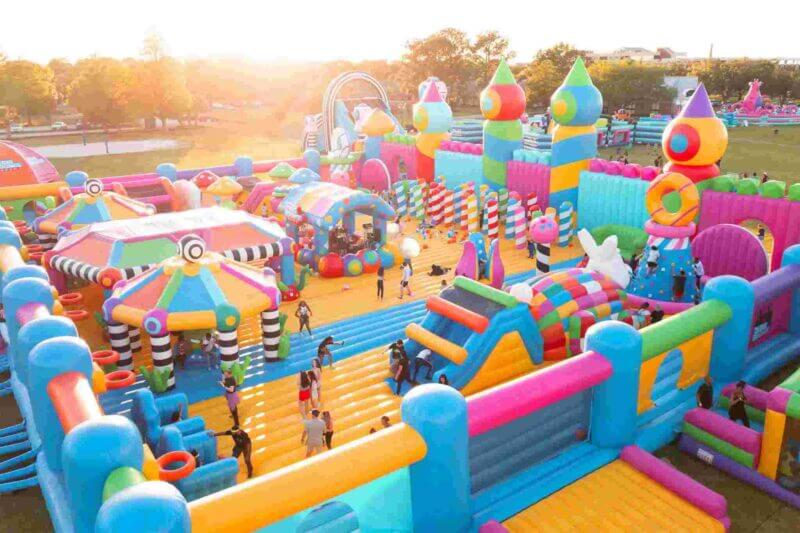
Why Is Inflatable Park Safety So Important?
1. Protecting Children and Families
Children are the primary users of inflatable parks. Unlike adults, young children may not fully understand potential risks or recognize unsafe situations.
Poorly manufactured inflatables can create hazards such as:
- Sharp edges or exposed seams;
- Weak anchoring systems;
- Unstable structures;
- Unsafe climbing features;
- Material failures during use.
A safe inflatable park minimizes these risks and provides parents with peace of mind while their children play.
2. Reducing Legal Liability
Failure to comply with safety requirements can result in serious legal consequences.
If an inflatable attraction causes injuries due to design flaws or poor manufacturing quality, operators may face:
- Personal injury claims;
- Compensation costs;
- Regulatory penalties;
- Increased insurance premiums;
- Potential business shutdowns.
Investing in certified, commercial-grade inflatable equipment helps reduce liability and demonstrates a commitment to user safety.
3. Protecting Your Brand Reputation
In today's digital world, a single safety incident can quickly spread through social media and online reviews.
Negative publicity can lead to:
- Loss of customer trust;
- Declining visitor numbers;
- Damaged business relationships;
- Long-term brand impact.
Maintaining high safety standards helps build a positive reputation and encourages repeat visits and referrals.
4. Supporting Long-Term Business Success
Safety is not an expense-it's an investment.
Well-designed inflatable attractions generally offer:
- Lower maintenance costs;
- Fewer operational disruptions;
- Improved customer satisfaction;
- Better insurance acceptance;
- Greater long-term profitability.
Operators who prioritize safety are more likely to build sustainable and successful businesses.
International Safety Standards for Inflatable Parks
When purchasing commercial inflatable equipment, buyers should verify compliance with recognized safety standards.
ASTM Standards
The American Society for Testing and Materials (ASTM) has established safety requirements for inflatable amusement devices.
Standards such as ASTM F2374 address:
- Design specifications;
- Manufacturing practices;
- Operational procedures;
- Inspection requirements;
- Maintenance guidelines.
Compliance with ASTM standards is widely recognized in North America.
EN Standards
European Standards (EN) define safety requirements for inflatable play equipment sold within Europe.
These standards help ensure:
- Structural safety;
- Material reliability;
- User protection;
- Regulatory compliance within European markets.
CPSC Requirements
The U.S. Consumer Product Safety Commission (CPSC) provides guidance and safety recommendations to help reduce the risk of injuries associated with inflatable attractions.
Operators should ensure that equipment suppliers understand and follow applicable regulations.
Quality Standards for Inflatable Playground Equipment
Reliable inflatable manufacturers implement strict quality requirements throughout production.
Premium Material Selection
Commercial inflatable parks are typically manufactured using heavy-duty PVC materials designed for intensive use.
High-quality materials should provide:
- Excellent tensile strength;
- Abrasion resistance;
- UV resistance;
- Flame-retardant properties;
- Long service life.
Structural Stability
Inflatable structures must remain stable during operation.
Manufacturers should evaluate:
- Load distribution;
- Reinforcement points;
- Anchor placement;
- Internal support systems;
- Resistance to deformation.
Stable structures significantly reduce the risk of tipping or collapse.
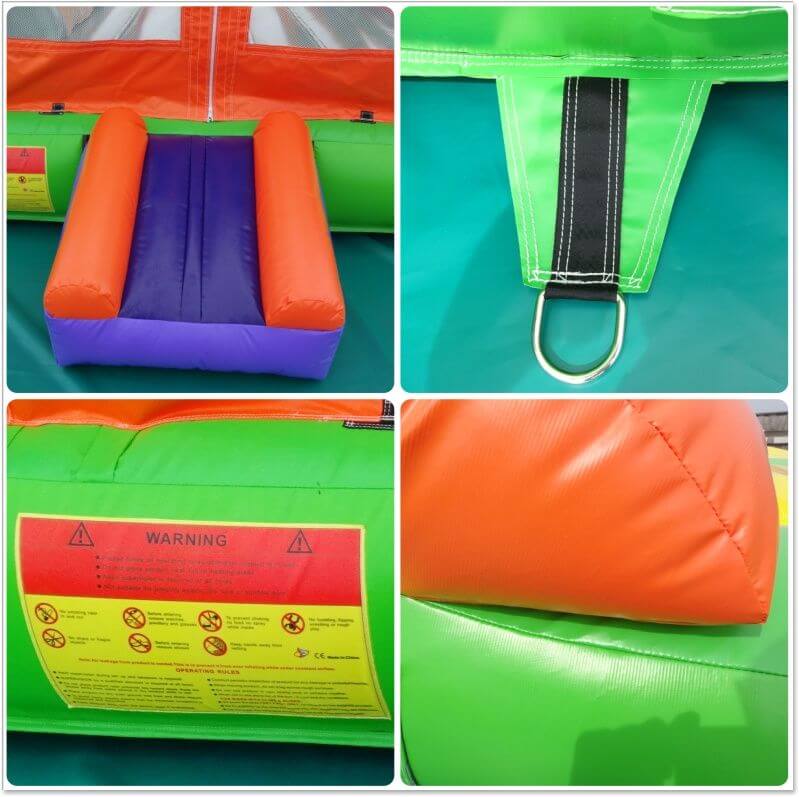
Safe Accessories and Components
Every accessory should meet applicable safety requirements.
Examples include:
- Anchoring systems;
- Climbing handles;
- Safety netting;
- Entry and exit ramps;
- Slides and protective barriers.
Each component should undergo testing to verify reliability and durability.
Quality Control and Testing Procedures
Professional manufacturers perform multiple inspections before products leave the factory.
Material Testing
Raw materials are tested to evaluate:
- Strength;
- Tear resistance;
- Wear resistance;
- Environmental durability.
Airtightness Testing
Inflatable products undergo inflation testing to detect leaks and confirm airtight performance.
Only products that maintain proper air pressure proceed to final inspection.
Structural Testing
Manufacturers assess whether inflatable attractions can safely withstand expected user loads and operating conditions.
Capacity Verification
Each inflatable park should clearly specify:
- Maximum occupancy;
- Weight limitations;
- Recommended age groups;
- Operating guidelines.
Following these recommendations helps prevent overloading and misuse.
Safety Certifications Buyers Should Look For
Purchasers should request documentation proving compliance with relevant standards.
Common certifications include:
CE Certification
Required for many products sold in the European market, indicating conformity with European safety requirements.
UL Certification
Recognized in the United States as evidence that products have been evaluated against applicable safety criteria.
ISO Certification
Demonstrates that manufacturers operate under established quality management systems and maintain consistent production processes.
Requesting certification documents can help buyers evaluate supplier reliability and reduce procurement risks.
How to Choose a Safe Inflatable Park Manufacturer
Before placing an order, ask potential suppliers the following questions:
- Do your products comply with ASTM or EN standards?
- What testing procedures do you perform?
- Can you provide certification documents?
- What materials do you use?
- How do you conduct quality inspections?
- Do you offer installation and operational guidance?
- What after-sales support do you provide?
Choosing an experienced manufacturer with transparent quality procedures is one of the most effective ways to ensure safety.
Conclusion
The safety of inflatable parks should never be compromised. It protects children and families, reduces legal exposure, safeguards brand reputation, and contributes to long-term business success.
Whether you are purchasing equipment for an indoor playground, inflatable theme park, family entertainment center, or rental business, safety must remain your top priority.
By working with reputable manufacturers, verifying international certifications, and implementing proper operating procedures, you can provide visitors with enjoyable experiences while building a trusted and profitable inflatable park business.
If you're looking for commercial inflatable equipment that meets strict quality standards, contact our team today for expert advice, customized solutions, and professional support.


