

Inflatable Park vs Trampoline Park: What's the Difference and Which Is Better?
Indoor entertainment has experienced remarkable growth in recent years, with inflatable parks and trampoline parks emerging as two of the most popular attractions worldwide. While both provide exciting, active experiences for visitors, they differ significantly in design, target audience, operational focus, and investment potential.
If you're deciding where to spend your next family outing-or considering which concept is best for your entertainment business-understanding these differences is essential.

What Is an Inflatable Park?
An inflatable park is a recreational facility built around large inflatable attractions powered by air blowers. These parks create a soft and interactive environment where visitors can jump, slide, climb, and explore safely.
Typical inflatable park attractions include:
Giant inflatable slides
Obstacle courses
Bounce houses
Climbing challenges
Interactive games
Ball pits
Themed adventure zones
Inflatable parks are designed to maximize fun and accessibility, making them attractive to a wide age range, especially families with children.
Why Visitors Love Inflatable Parks
Suitable for toddlers, children, teenagers, and parents
Soft landing surfaces enhance safety
Highly visual and themed experiences
Ideal for birthday parties and group events
Encourages social interaction and family participation
What Is a Trampoline Park?
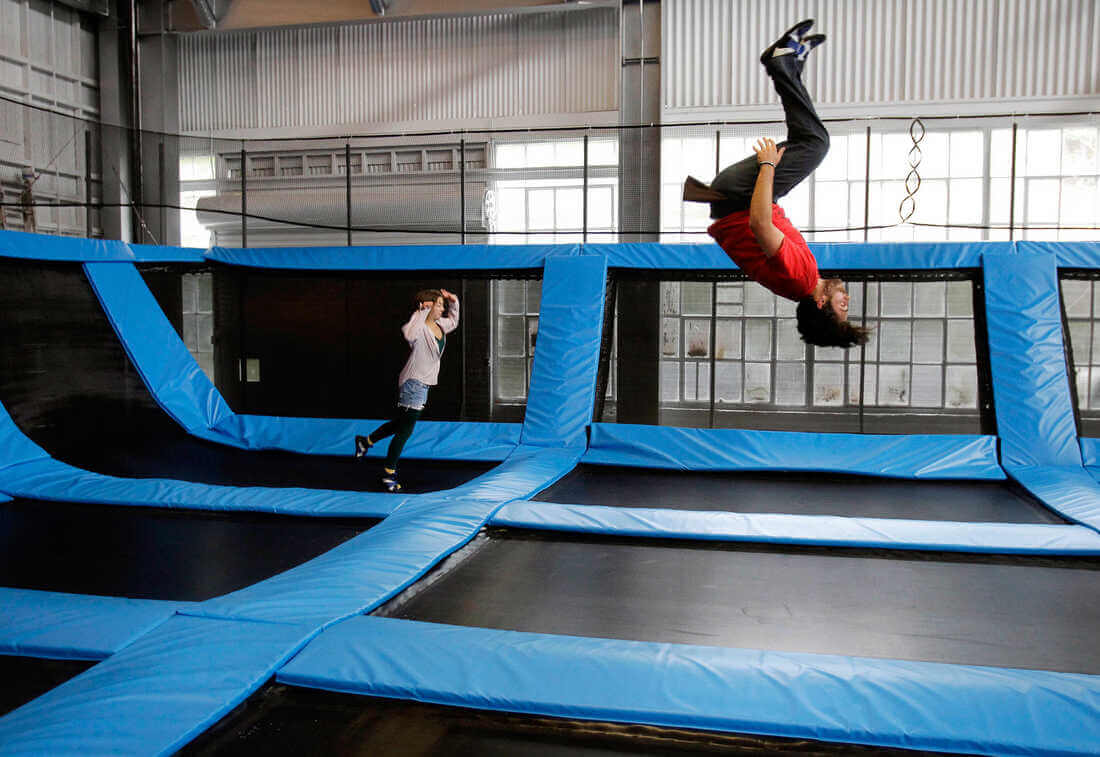
Trampoline parks are indoor activity centers featuring interconnected trampolines and skill-based attractions. They focus on athletic movement, physical exercise, and freestyle performance.
Common trampoline park attractions include:
Wall-to-wall trampolines
Foam pits
Dodgeball courts
Slam dunk zones
Ninja courses
Performance trampolines
Fitness training areas
Compared with inflatable parks, trampoline parks deliver a more physically demanding experience and often appeal to older visitors.
Why Visitors Choose Trampoline Parks
Provides a high-intensity workout
Supports skill development
Appeals to teenagers and young adults
Offers structured activities and classes
Encourages athletic progression
Inflatable Park vs Trampoline Park: Key Differences
| Feature | Inflatable Parks | Trampoline Parks |
|---|---|---|
| Primary Purpose | Entertainment and family fun | Fitness and skill development |
| Main Attractions | Slides, bounce zones, obstacle courses | Trampolines, foam pits, dodgeball |
| Target Audience | Families and children of all ages | Teenagers, adults, athletes |
| Activity Intensity | Moderate | High |
| Learning Curve | Minimal | Moderate to advanced |
| Birthday Party Suitability | Excellent | Good |
| Fitness Benefits | Moderate exercise | Intensive workout |
| Safety Perception | Softer and beginner-friendly | Requires stricter supervision |
| Business Positioning | Family entertainment center | Sports and fitness venue |
| Seasonal Flexibility | Indoor and outdoor options | Primarily indoor operations |
Visitor Experience: Which One Is More Fun?
Inflatable Parks: Entertainment for Everyone
Inflatable parks focus on pure enjoyment. Guests can move freely between attractions without needing previous experience or physical training.
The atmosphere is relaxed and inclusive, making these parks especially popular for:
Family outings;
Children's birthday celebrations;
School events;
Community gatherings;
Holiday entertainment.
Visitors value the opportunity to play together regardless of age or fitness level.
Trampoline Parks: Challenge Meets Excitement
Trampoline parks provide a more energetic experience. Many visitors enjoy mastering tricks, improving coordination, and testing their athletic abilities.
Popular activities include:
Freestyle jumping;
Dodgeball competitions;
Basketball challenges;
Gymnastics practice;
Fitness classes.
For thrill-seekers and active individuals, trampoline parks offer both entertainment and exercise.
Safety Considerations
Safety is a top priority in both concepts, although their approaches differ.
Inflatable Park Safety
Inflatable parks typically feature soft air-filled surfaces that help absorb impact.
Common safety measures include:
Staff supervision;
Age-specific play zones;
Capacity control;
Height restrictions;
Clearly displayed play rules.
These features make inflatable parks particularly suitable for younger children and first-time participants.
Trampoline Park Safety
Because of the higher intensity of activities, trampoline parks often implement stricter operating procedures.
These include:
Trained supervisors;
Foam pit protection;
Safety padding;
Controlled jumping areas;
Rules prohibiting double bouncing;
Mandatory safety briefings.
Proper management is essential to minimizing injury risks.
Physical Benefits
Both attractions encourage active lifestyles, but their health benefits vary.
Benefits of Inflatable Parks
Inflatable activities help participants:
Increase daily movement;
Improve balance and coordination;
Enhance cardiovascular health;
Develop motor skills in children;
Reduce stress through play.
Benefits of Trampoline Parks
Trampoline activities contribute to:
Higher calorie expenditure;
Improved endurance;
Increased muscle strength;
Better agility and body awareness;
Enhanced athletic performance.
Individuals seeking exercise-focused recreation often prefer trampoline environments.
Business Perspective: Which Investment Makes More Sense?
For investors and operators, choosing between an inflatable park and a trampoline park depends on market positioning and customer demographics.
Inflatable Parks: Family Entertainment Focus
Inflatable parks generally appeal to a broader audience and generate revenue through multiple channels, including:
General admission tickets;
Birthday party packages;
School visits;
Seasonal events;
Equipment rentals.
Their family-friendly positioning can attract repeat visits from local communities.
Trampoline Parks: Fitness-Driven Operations
Trampoline parks often target a narrower but highly engaged audience.
Additional revenue opportunities may include:
Membership programs;
Fitness classes;
Sports training sessions;
Competitive events;
Corporate team-building activities.
Operators may benefit from stronger customer loyalty among fitness-conscious consumers.
Which One Should You Choose?
Choose an inflatable park if you want:
Inclusive entertainment for all ages;
A family-oriented environment;
Birthday party opportunities;
Lower barriers to participation;
Flexible indoor or outdoor applications.
Choose a trampoline park if you prefer:
High-energy experiences;
Structured activities;
Skill development opportunities;
Fitness-focused recreation;
Athletic challenges.
Final Thoughts
Although inflatable parks and trampoline parks share the common goal of delivering active entertainment, they serve different needs and audiences.
Inflatable parks excel at creating accessible, family-friendly experiences that encourage social interaction and carefree fun. Trampoline parks emphasize athletic performance, fitness, and skill progression, making them attractive to teenagers, adults, and sports enthusiasts.
Whether you're planning your next outing or evaluating a business opportunity, understanding these distinctions will help you choose the option that best aligns with your goals.
Ultimately, both concepts offer memorable experiences, promote physical activity, and continue to shape the future of the indoor entertainment industry.


