

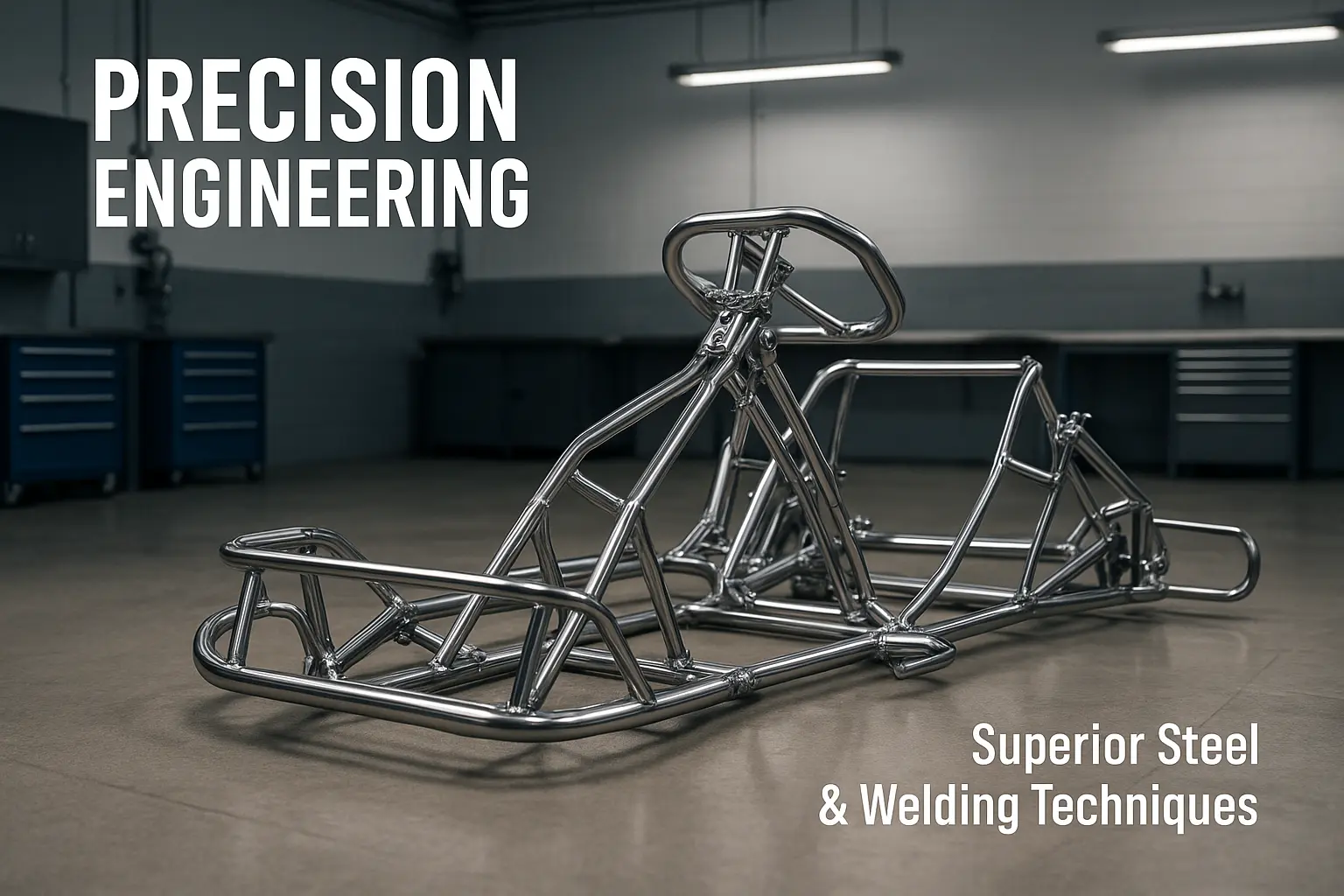
Go-Kart Chassis: Steel Material Selection & Precision Welding Guide for Maximum Performance & Safety
The gap between a casual weekend hobby kart and a championship-winning racing machine hinges on one irreplaceable core component: the chassis. While powerful engines and high-grip tires often steal the spotlight, the steel frame serves as the backbone of every go-kart, dictating handling precision, driving stability, and overall operational safety. For both professional racers and commercial amusement venue operators, mastering the knowledge of high-grade steel selection and precision welding techniques is not merely technical expertise-it is the fundamental guarantee of superior go-kart performance, long-term durability, and zero-risk operation.
1. Go-Kart Chassis Steel Materials: Core Types & Application Scenarios
Chassis material selection is the most critical step in go-kart manufacturing, directly determining the vehicle's weight, strength, fatigue resistance, and cost. Two types of steel dominate the commercial and racing go-kart industry, with unique properties tailored for professional racing and recreational commercial use respectively.
1.1 Chrome Moly Steel (4130 Alloy): Professional Racing Top Choice
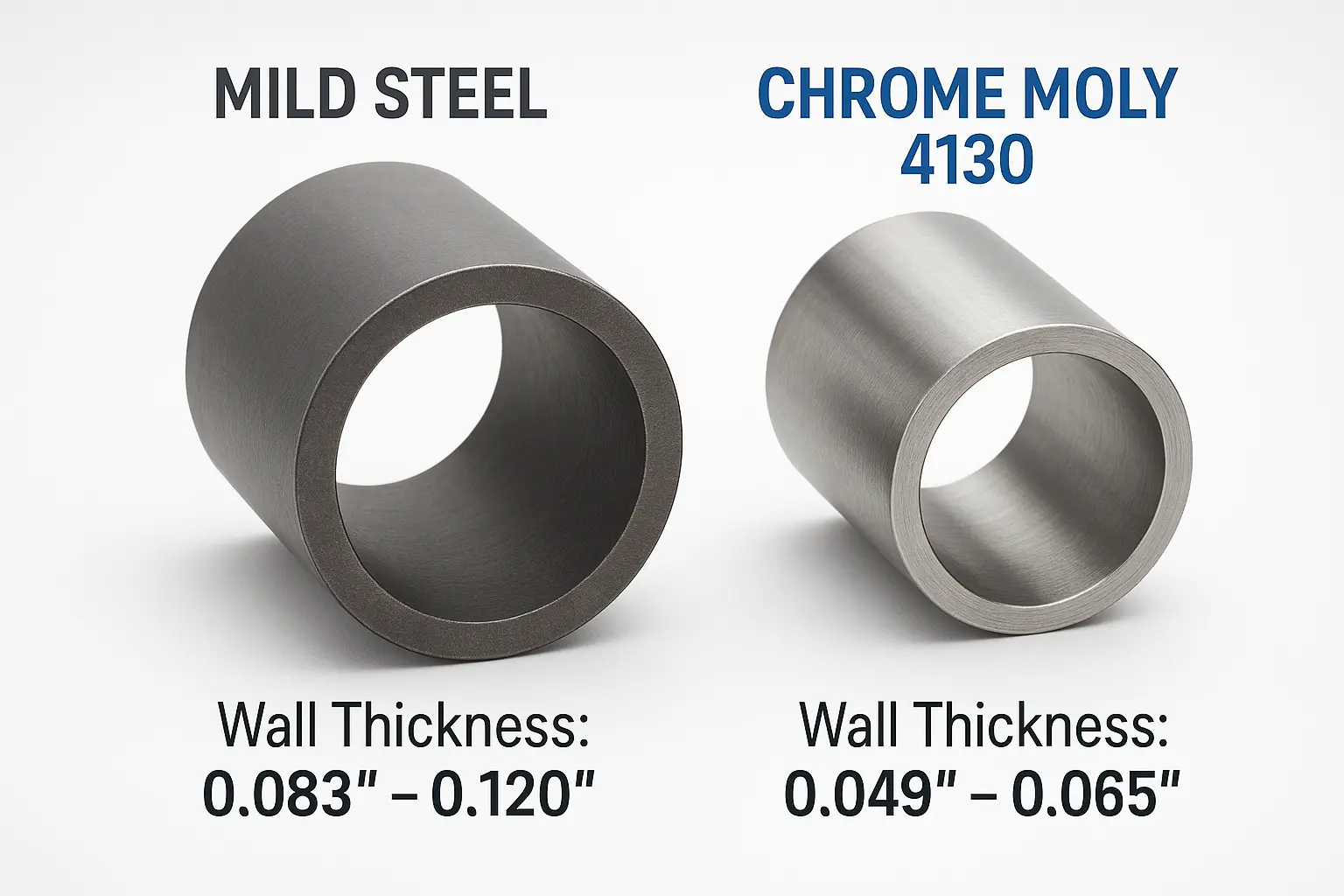
4130 chrome moly steel is the gold-standard material for professional racing go-kart chassis, infused with chromium and molybdenum alloy elements that deliver an outstanding strength-to-weight ratio. Compared with ordinary mild steel, it achieves a 25-30% weight reduction while retaining ultra-high structural rigidity, perfectly meeting the lightweight and high-strength demands of competitive racing.
The chromium component endows the chassis with excellent corrosion resistance, while molybdenum enhances high-temperature hardness and structural stability. These properties allow the chassis to withstand extreme conditions such as high-speed cornering, intense vibration, and continuous load during long-distance racing. Manufacturers can adopt thinner wall tubing (0.049″ to 0.065″) for 4130 chrome moly chassis, far thinner than the 0.083″ to 0.120″ wall thickness required for equivalent-strength mild steel structures.
The lightweight advantage directly translates to tangible performance improvements: faster acceleration, more sensitive steering response, reduced tire wear, and more stable high-speed handling, making it the exclusive choice for professional championship racing karts.
1.2 Mild Steel (1018/A36): Recreational & Commercial Hobby Kart Foundation
Mild steel (1018 or A36) is the mainstream material for commercial recreational go-karts and DIY customized karts, favored for its low cost and excellent processability. Its low carbon content greatly simplifies welding, bending, and post-maintenance processes, lowering the technical threshold for production and modification, making it ideal for amateur builders and mass-produced commercial amusement equipment.
In terms of cost, mild steel is 40-50% cheaper than chrome moly steel, effectively reducing the overall manufacturing cost of commercial go-karts and improving venue operation profitability. In addition, mild steel welding has low requirements for heat control, fewer defects in the heat-affected zone, and simple joint processing. Operators can achieve qualified welding results with basic MIG welding equipment, fully adapting to the production needs of mass commercial amusement karts.
2. Key Steel Quality Factors Affecting Chassis Performance
Beyond steel type, subtle differences in material craftsmanship and specifications significantly impact chassis stability, service life, and safety. Three core quality indicators determine the ultimate performance of the go-kart chassis.
2.1 Cold-Drawn vs Hot-Rolled Tubing
Cold-drawn steel tubing outperforms hot-rolled tubing in all key indicators. The cold-drawing process ensures uniform wall thickness, precise dimensional accuracy, and a smooth surface, delivering more stable mechanical properties and predictable welding effects. It effectively improves the chassis' fatigue resistance, avoiding structural deformation or cracking caused by long-term repeated vibration. In contrast, hot-rolled tubing has uneven thickness and poor dimensional consistency, suitable only for low-frequency casual hobby karts.
2.2 Seamless Tubing for High-Stress Resistance
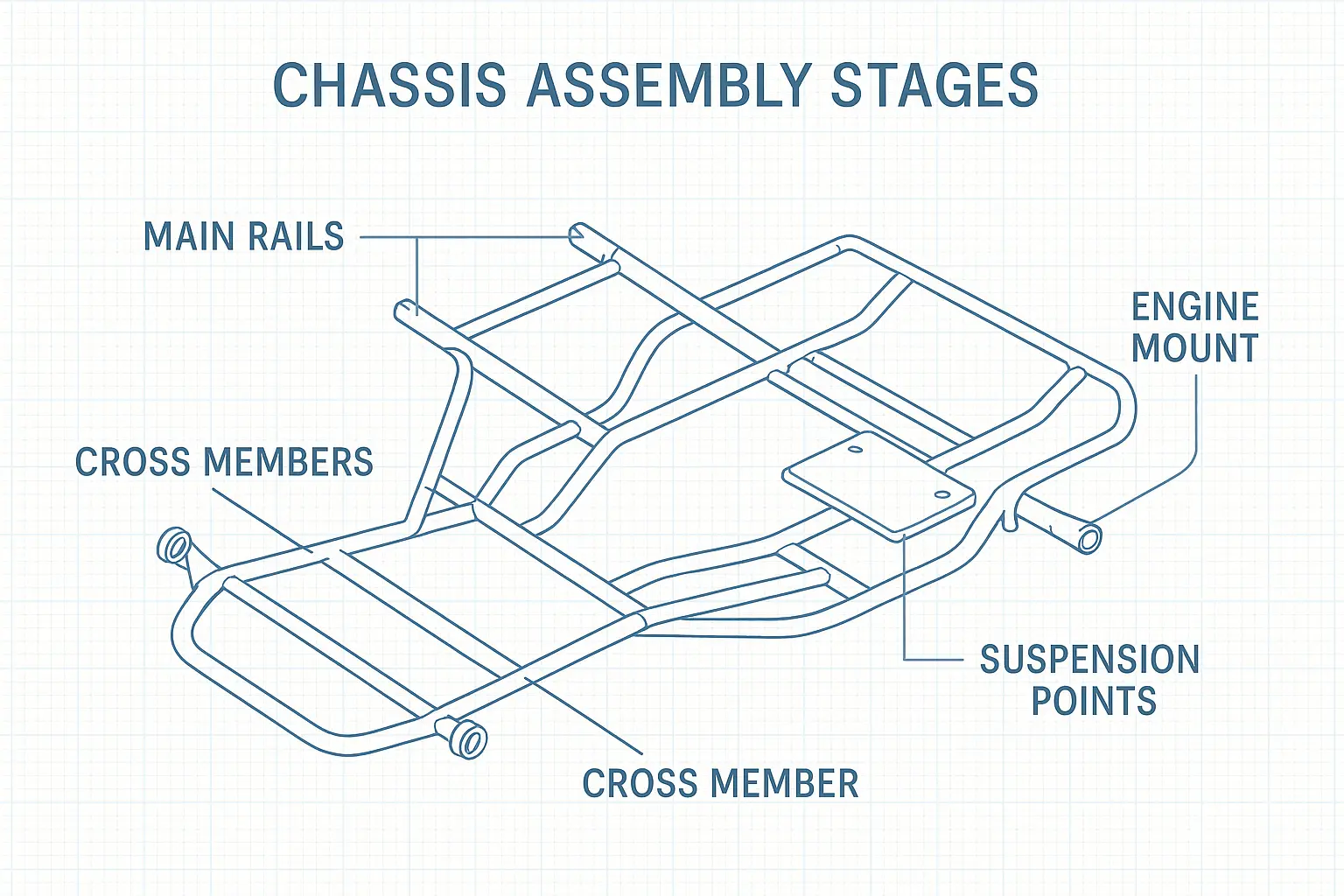
Seamless steel tubing eliminates the structural weak points of traditional seamed tubing, with consistent strength across the entire tube circumference. Although more costly, it is indispensable for high-stress parts such as chassis main rails and engine mounts. It avoids cracking and fracture risks at welding seams under high-speed racing and heavy load conditions, greatly improving overall chassis safety and stability.
2.3 Reasonable Wall Thickness Matching
Wall thickness selection requires a scientific balance of strength, weight, and cost. While racing regulations specify minimum wall thickness standards, high-quality manufacturers will appropriately thicken the tubing at stress-concentrated positions such as suspension connection points, engine mounts, and driver protection areas. This targeted optimization avoids local structural failure while maintaining the chassis' lightweight and flexible handling performance.
3. Professional Welding Techniques for Premium Chassis Construction
Steel material determines the chassis' inherent performance, while welding technology defines its actual quality and safety. Different welding processes match distinct steel materials and usage scenarios, directly affecting structural rigidity, fatigue resistance, and service life.
3.1 TIG Welding: Precision Standard for Professional Chassis
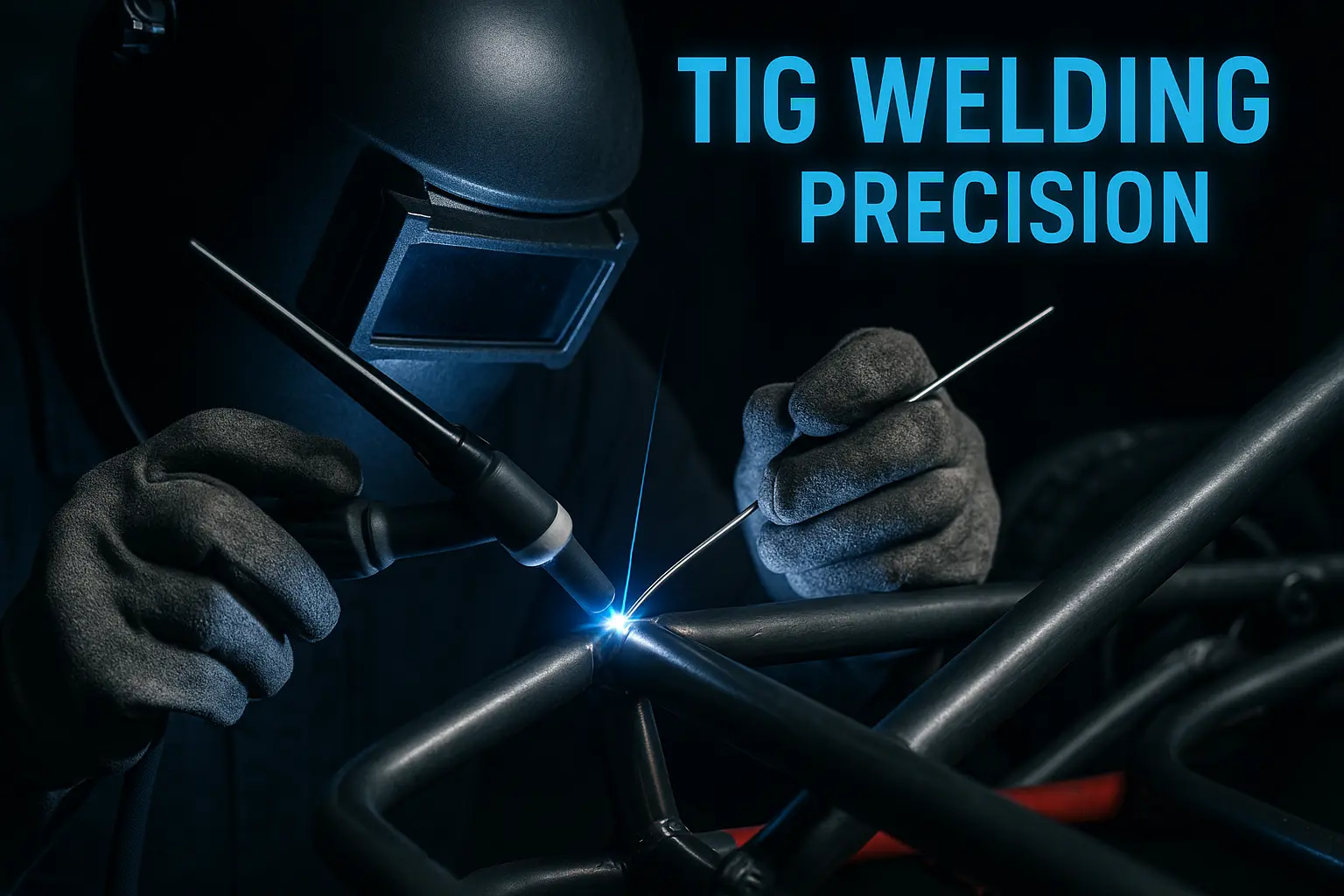
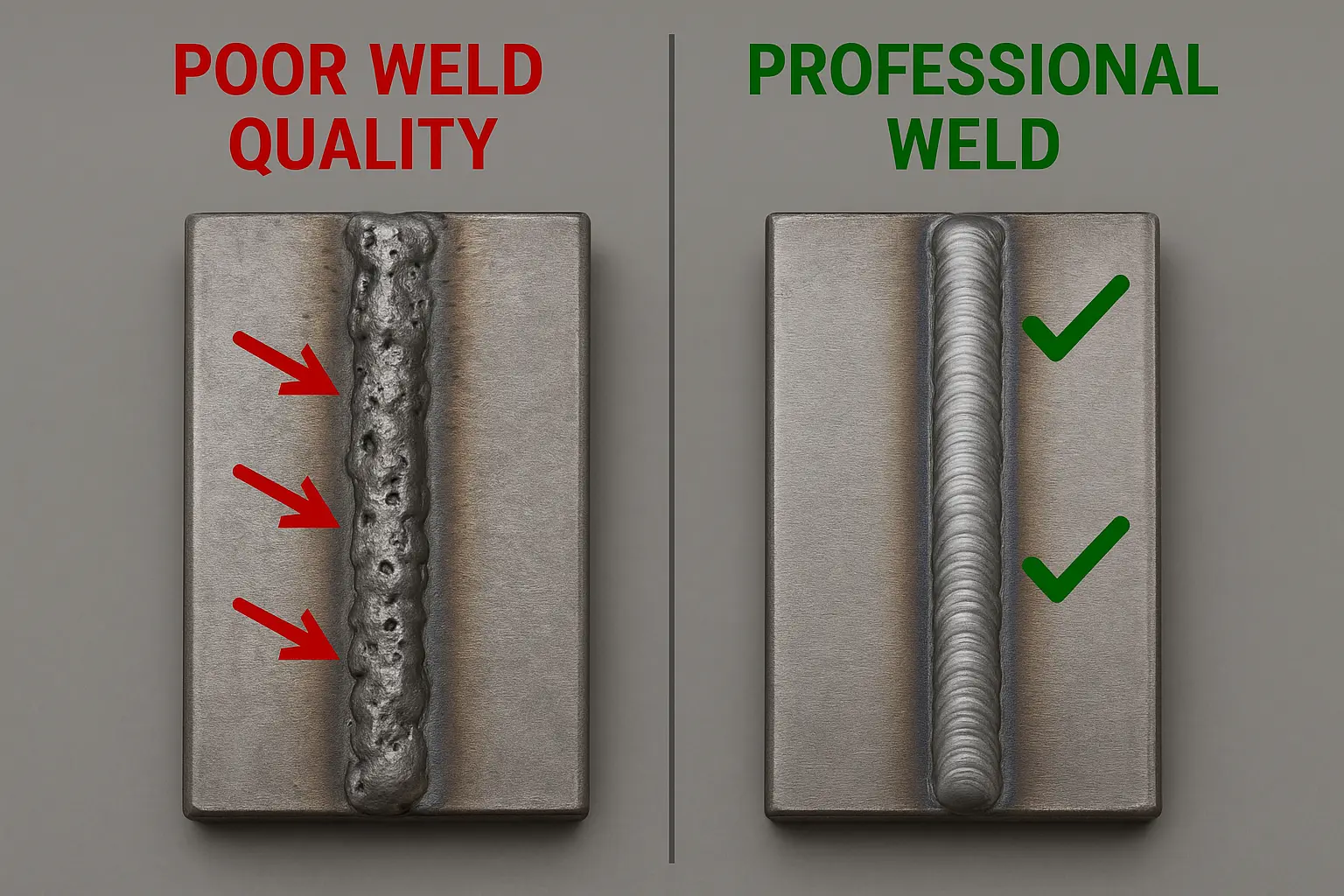
TIG (Tungsten Inert Gas) welding is the industry gold standard for high-end go-kart chassis, especially suitable for thin-walled chrome moly steel structures. It features ultra-precise heat input control, producing clean, flat, and defect-free welds with minimal heat-affected zones. This effectively prevents embrittlement and strength attenuation of chrome moly steel caused by excessive heat, retaining the material's original high-strength properties to the greatest extent.
TIG welding allows welders to accurately adjust penetration depth and welding speed, adapting to complex chassis joint structures and mixed wall thickness splicing. The finished welds have strong fatigue resistance and high structural stability, fully meeting the rigorous safety and performance requirements of professional racing karts.
3.2 MIG Welding: Cost-Effective Choice for Commercial Karts
MIG (Metal Inert Gas) welding balances quality, efficiency, and cost, making it the preferred process for mass production of mild steel commercial go-karts. It is easy to operate with low equipment requirements, enabling manufacturers to achieve stable and reliable welding results with standardized processes.
Equipped with pulse function and matched with professional welding wire and shielding gas, modern MIG welding equipment can avoid common defects such as porosity and incomplete penetration. Its high welding deposition rate greatly improves production efficiency, perfectly fitting the mass production demand of commercial amusement go-karts while ensuring sufficient structural safety for daily recreational use.
4. Welding Quality & Heat Management: Core of Chassis Safety
Heat management is the most critical detail in chassis welding quality control. Excessive local heat input will damage the internal molecular structure of steel, reduce material strength, and form potential failure points under long-term load. This is especially critical for chrome moly steel, which is highly sensitive to welding heat.
Common chassis structural failures are mostly caused by substandard welding: incomplete joint penetration, excessive heat leading to material degradation, and poor joint fitting resulting in incomplete fusion. High-quality manufacturers adopt standardized processes such as back-purging technology, precise tube fitting, and graded cooling control to ensure uniform welding quality across the entire chassis.
Although most commercial and recreational karts do not require post-weld heat treatment, scientific heat control during welding can effectively avoid residual stress, prevent later chassis deformation and weld cracking, and extend the equipment's service life.
5. Manufacturing Best Practices for High-Quality Chassis
5.1 Scientific Frame & Joint Design
High-performance chassis adopts optimized tubular structure design, which balances strength-to-weight ratio and structural flexibility. Professional designs avoid sharp corners at joints to reduce stress concentration, and reasonably distribute structural stress according to the force characteristics of racing and daily operation, ensuring stable force bearing of the whole vehicle.
5.2 Fixture Positioning & Dimensional Calibration
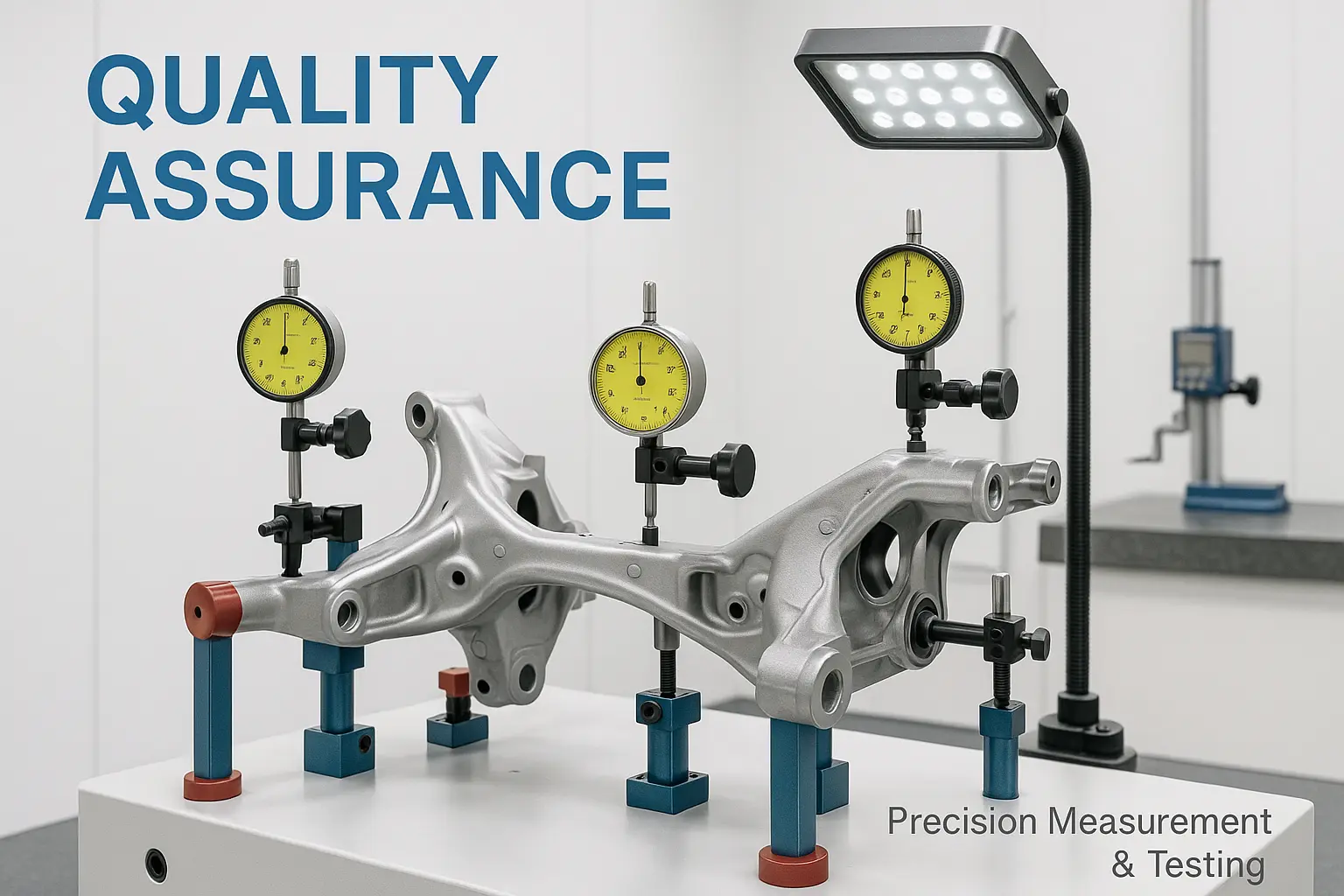
Professional manufacturers use customized welding jigs and fixtures to fix tubing positions during production. This effectively avoids welding deformation, ensures accurate chassis geometric dimensions and symmetrical wheelbase, and guarantees consistent handling performance of each batch of go-karts.
5.3 Strict Full-Process Quality Inspection
Quality control is not limited to visual weld inspection. Formal manufacturers conduct multi-dimensional testing including dimensional verification, structural stress testing, and dye penetrant inspection for key welds. This accurately detects invisible surface cracks and internal defects, eliminating potential safety hazards before equipment delivery.
6. How Steel & Welding Quality Affect Driving Experience
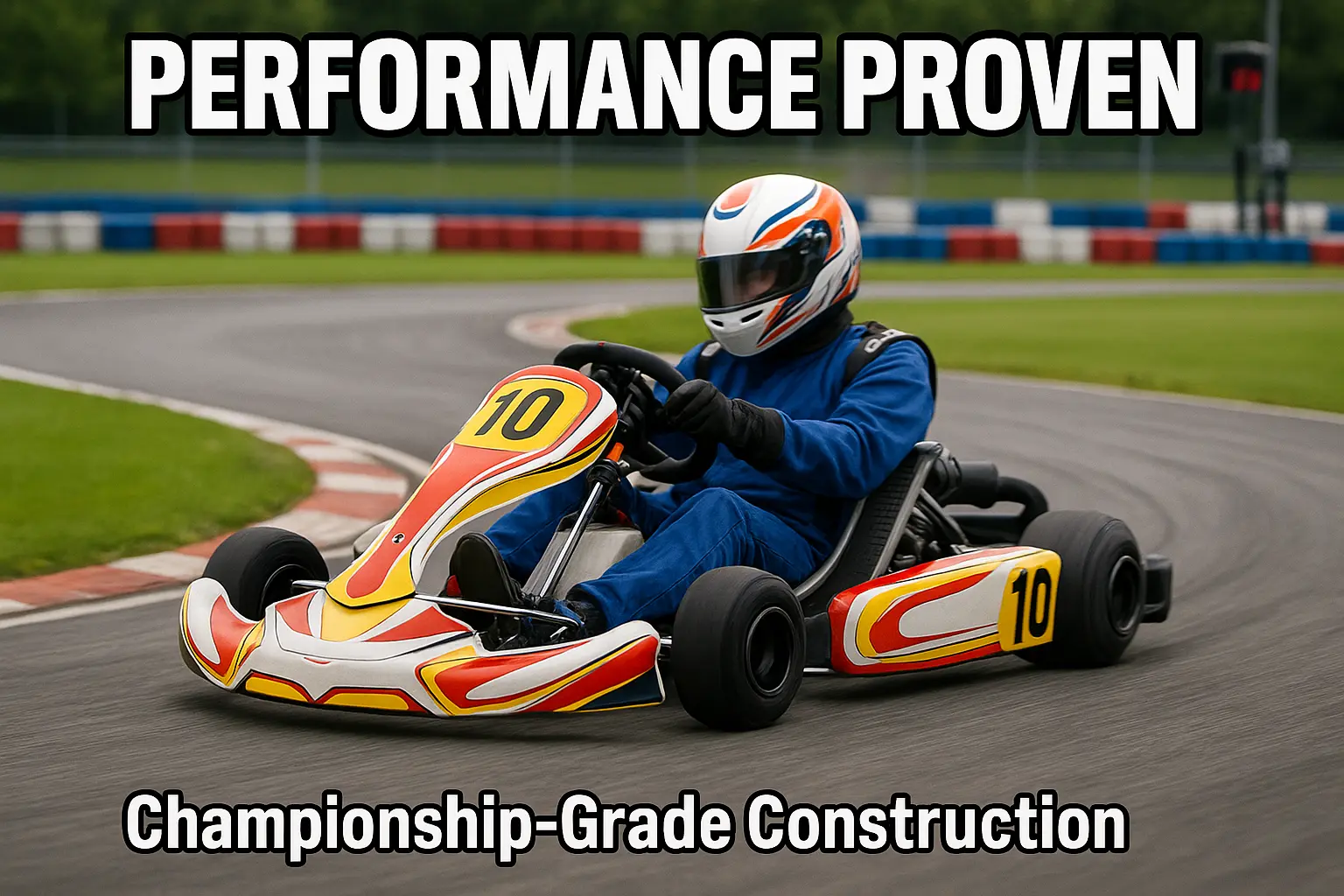
Chassis rigidity directly determines the core handling performance of go-karts. Scientific steel matching and precision welding form optimal torsional stiffness, effectively reducing chassis flex during cornering and high-speed driving. A high-quality chrome moly chassis delivers sensitive steering feedback, accurate cornering tracking, and stable driving feel, meeting the precise control needs of professional racers.
Standardized manufacturing processes ensure accurate chassis weight distribution, avoiding handling deviation caused by uneven welding quality. In terms of long-term use, high-quality materials and flawless welds have strong fatigue resistance, resisting cracking and deformation after thousands of rides, reducing equipment maintenance frequency and operating costs for venues.
7. Safety Significance of Standardized Chassis Construction
Go-kart chassis integrity is the primary line of defense for driver safety. In high-speed driving and accidental collision scenarios, unqualified chassis may fracture or deform severely, causing safety accidents. Therefore, major industry safety regulations have clear mandatory standards for chassis materials and welding processes.
Modern high-quality chassis integrates scientific crashworthiness design: the structural deformation zone can absorb collision energy in an emergency, while ensuring the integrity of the driver's protection area. This safety design can only function effectively on the basis of qualified steel materials and standardized welding processes. Regular inspection of weld joints and chassis structure is also an essential part of daily safe operation of commercial go-kart venues.
8. Cost-Benefit Analysis: Choose the Right Chassis for Your Needs
There is no absolute best chassis, only the most suitable one for usage scenarios and budget. Chrome moly steel chassis have an initial cost 50-70% higher than mild steel models, but their lightweight performance, high strength, and long service life make them cost-effective for professional racing and high-end amusement venues pursuing top experience.
For ordinary commercial amusement venues, parent-child entertainment projects, and amateur hobby use, high-quality mild steel chassis with standardized MIG welding can fully meet daily operation needs. It balances safety, performance, and investment cost, maximizing venue operating profits.
Whether choosing professional customized manufacturing or conventional mass-produced models, clarifying the correlation between materials, welding processes, and performance can help buyers avoid ineffective investment and select the most cost-effective go-kart equipment.
9. Conclusion
Steel material selection and precision welding technology are the foundational core of go-kart chassis manufacturing, determining the equipment's performance, safety, durability, and economic value. Chrome moly steel is the ultimate choice for professional racing with its ultra-high strength-to-weight ratio, while mild steel is the practical solution for recreational and commercial go-kart projects with its high cost performance and easy processing.
Excellent chassis quality relies not only on high-quality raw materials, but also on standardized welding processes, scientific structural design, and strict quality control. Every link from steel tubing selection to welding heat management and finished product inspection affects the final driving experience and safety level.
For go-kart operators, builders, and racers, mastering these professional knowledge enables targeted selection of equipment matching usage scenarios. Investing in high-quality chassis construction can not only improve driving performance and user experience, but also effectively reduce long-term maintenance costs and operational safety risks, bringing sustainable value to racing competitions and commercial amusement projects.
For premium customized commercial go-kart chassis and professional manufacturing solutions, trust Minye Fun to deliver safe, high-performance, and durable amusement equipment for your venue.


