

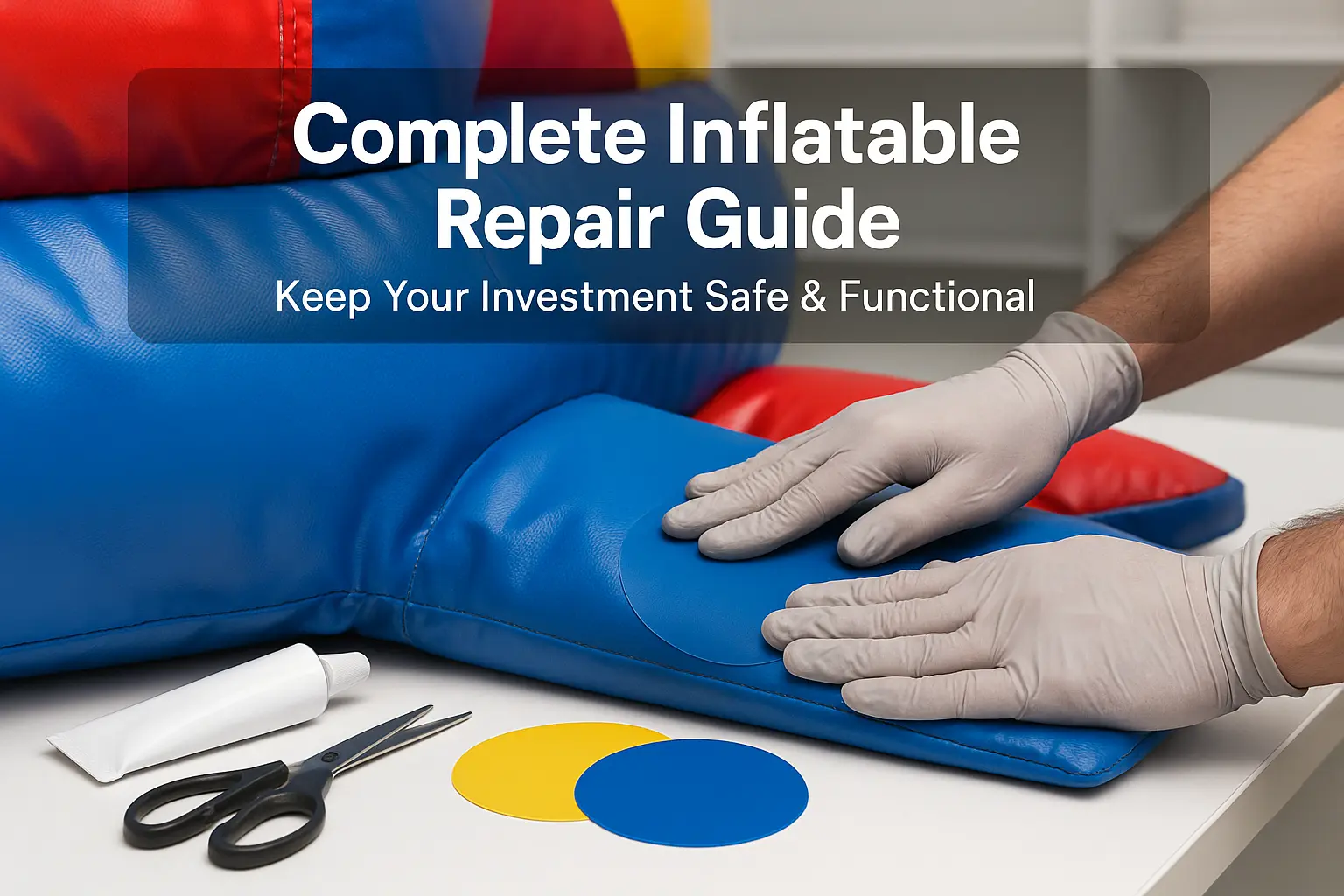
Ultimate Inflatable Repair & Maintenance Guide: DIY Fixes to Extend Equipment Lifespan
Inflatable attractions including bounce houses, water slides, and interactive inflatable games bring endless fun to family users and stable profits for commercial amusement venues. As high-frequency reusable recreational equipment, PVC and vinyl inflatables inevitably suffer from air leaks, punctures, tears and wear after long-term use. Adopting scientific maintenance habits and mastering basic DIY repair skills can effectively cut operating costs, avoid frequent equipment replacement, and greatly extend the service life of your inflatable investment.
This all-in-one, beginner-friendly guide systematically sorts out common inflatable faults, essential repair tools, step-by-step DIY solutions and practical preventive maintenance strategies. Whether you are a private user or a commercial venue operator, you can quickly solve daily equipment problems and keep your inflatable attractions safe, stable and durable.
Essential Tools for Professional Inflatable Repairs
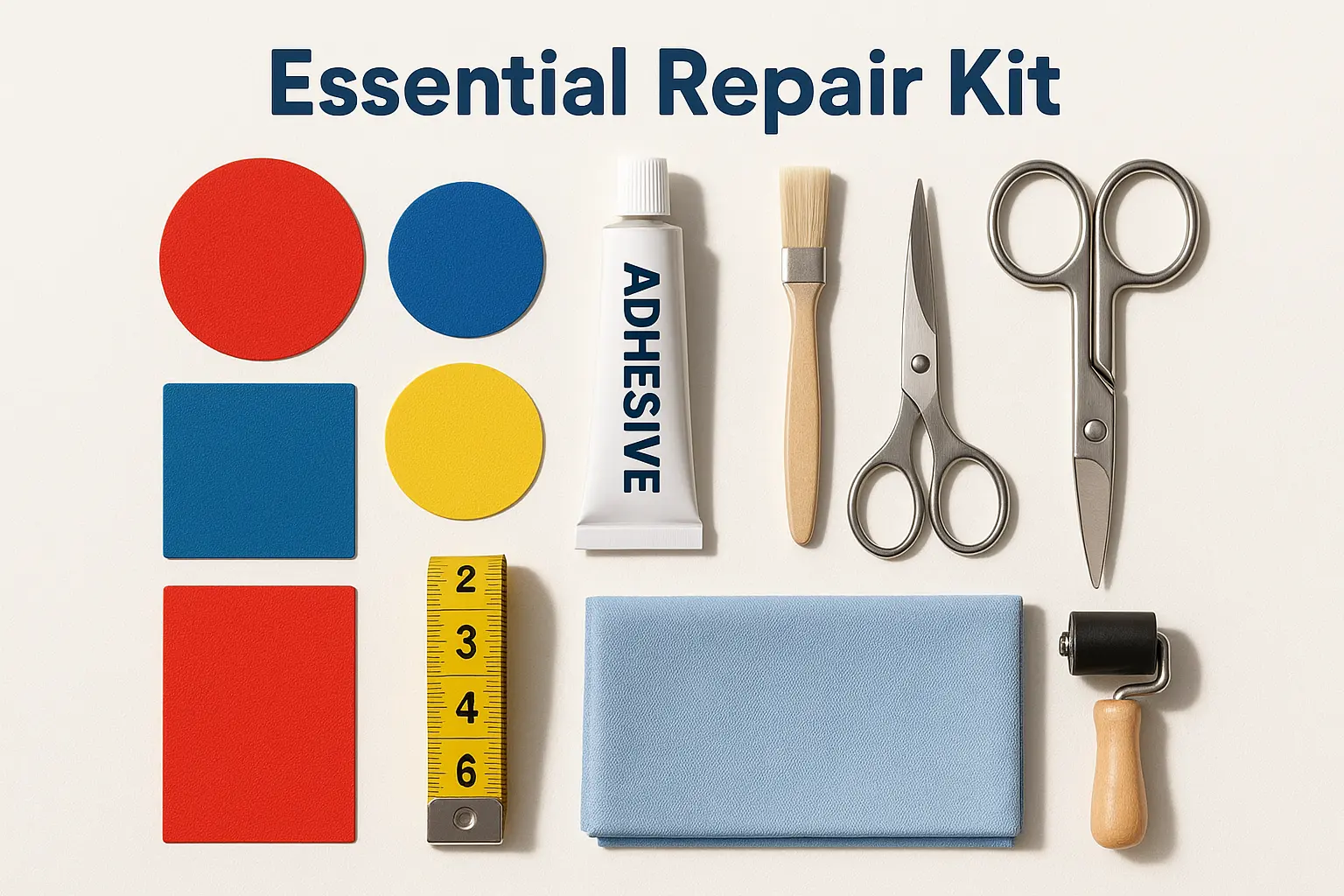
A qualified repair tool kit is the premise of long-lasting repair results, distinguishing temporary ineffective fixes from permanent solutions. All inflatable owners need to prepare a complete set of dedicated repair supplies to cope with daily damage. The core tools are as follows:
-
Premium PVC & Vinyl Patches: Select high-quality patches that match the thickness and color of your inflatable equipment. Flexible dry patches can stretch freely with the inflatable body during inflation, effectively preventing edge cracking, warping and peeling.
-
Specialized Inflatable Adhesive: Use professional glue customized for PVC and vinyl inflatable materials. It features strong waterproof adhesion, pressure resistance and temperature resistance, and will not corrode equipment materials. Never use ordinary household glue, which is prone to failure under air pressure and causes secondary leakage.
-
Surface Preprocessing Tools: Prepare lint-free clean rags, isopropyl alcohol for degreasing and decontamination, and fine sandpaper. Properly roughen smooth material surfaces to maximize adhesive bonding strength.
-
Glue Application Tools: Equip small brushes and plastic spatulas for uniform glue coating, plus mini rollers to completely squeeze out internal air bubbles and ensure a tight fit between patches and the inflatable body.
-
Measuring & Cutting Tools: Use precision sharp scissors to cut smooth, burr-free patches and measuring tape for accurate sizing to fully cover damaged areas.
Store the entire repair kit in a sealed waterproof container to avoid moisture, dust and high-temperature erosion, which may invalidate glue activity and damage patch materials.
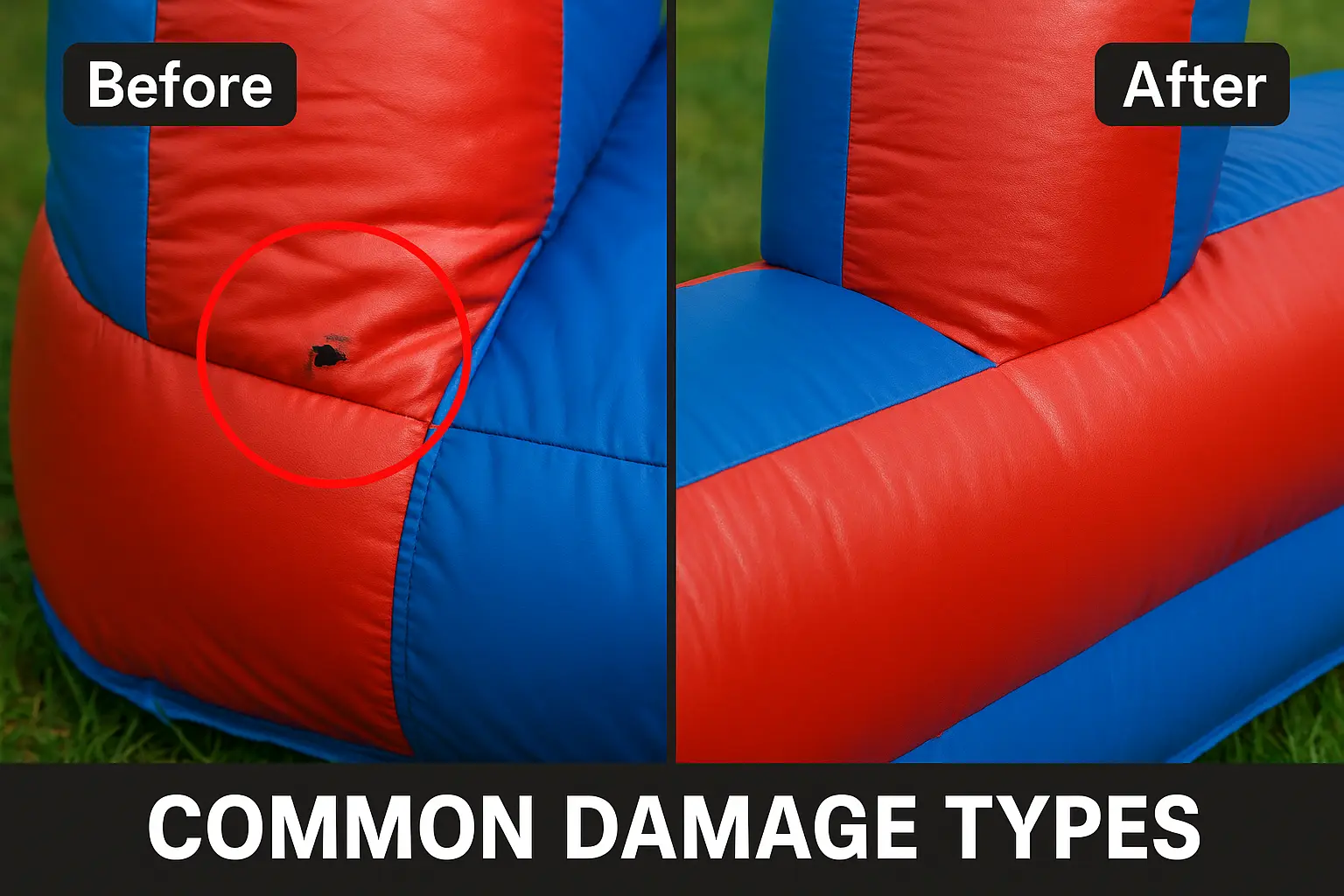
Common Inflatable Damages & Root Cause Analysis
Most inflatable failures are caused by daily friction, improper operation and environmental factors. Accurately classifying damage types and analyzing root causes helps formulate targeted repair plans and avoid repeated damage. Common faults are mainly divided into air leakage problems and physical structural damage.
Air Loss & Leakage Problems
Air leakage is the most common fault of inflatable equipment, directly leading to insufficient inflation and poor user experience.
Small Punctures: Caused by contact with sharp stones, branches and metal accessories, or long-term repeated friction and material fatigue. Tiny pinholes cause slow air loss and are easily overlooked in daily inspections.
Valve Sealing Failure: The inflatable still deflates slowly even when the valve is fully closed. This issue mainly stems from debris stuck in the valve gap or aging, deformed rubber sealing rings that lose their tight sealing performance.
Seam Separation: The bonding and stitching joints of the inflatable body split open. Long-term inflation pressure, outdoor sun exposure and excessive stretching are the main inducements. Large-area seam separation usually means the equipment has reached the end of its service life.
Physical Structural Damage
Structural damage affects the stability and safety of inflatables, requiring timely inspection and repair:
Internal Baffle Damage: Blown or loose internal baffles lead to local soft spots and uneven surfaces on bounce houses. As hidden internal structural components, baffles require professional disassembly and repair.
Surface Tears & Abrasions: Scratches and cracks are formed by dragging inflatables on rough ground or rubbing against hard sharp objects. The repair scheme depends on the tear's size, location and stress-bearing degree.
Hardware Accessory Failure: Broken zippers, peeled Velcro and torn anchor points are common high-wear faults. These stress-bearing accessories are prone to damage during frequent use and usually need direct replacement instead of simple patching.
Step-by-Step DIY Inflatable Repair Procedures
Most minor and medium inflatable damage can be perfectly repaired through standardized DIY operations. Follow the detailed steps below to achieve airtight, firm and long-lasting repair effects.
Repair Small Punctures & Pinhole Leaks
Small punctures account for most inflatable leakage faults, with simple and efficient repair steps:
-
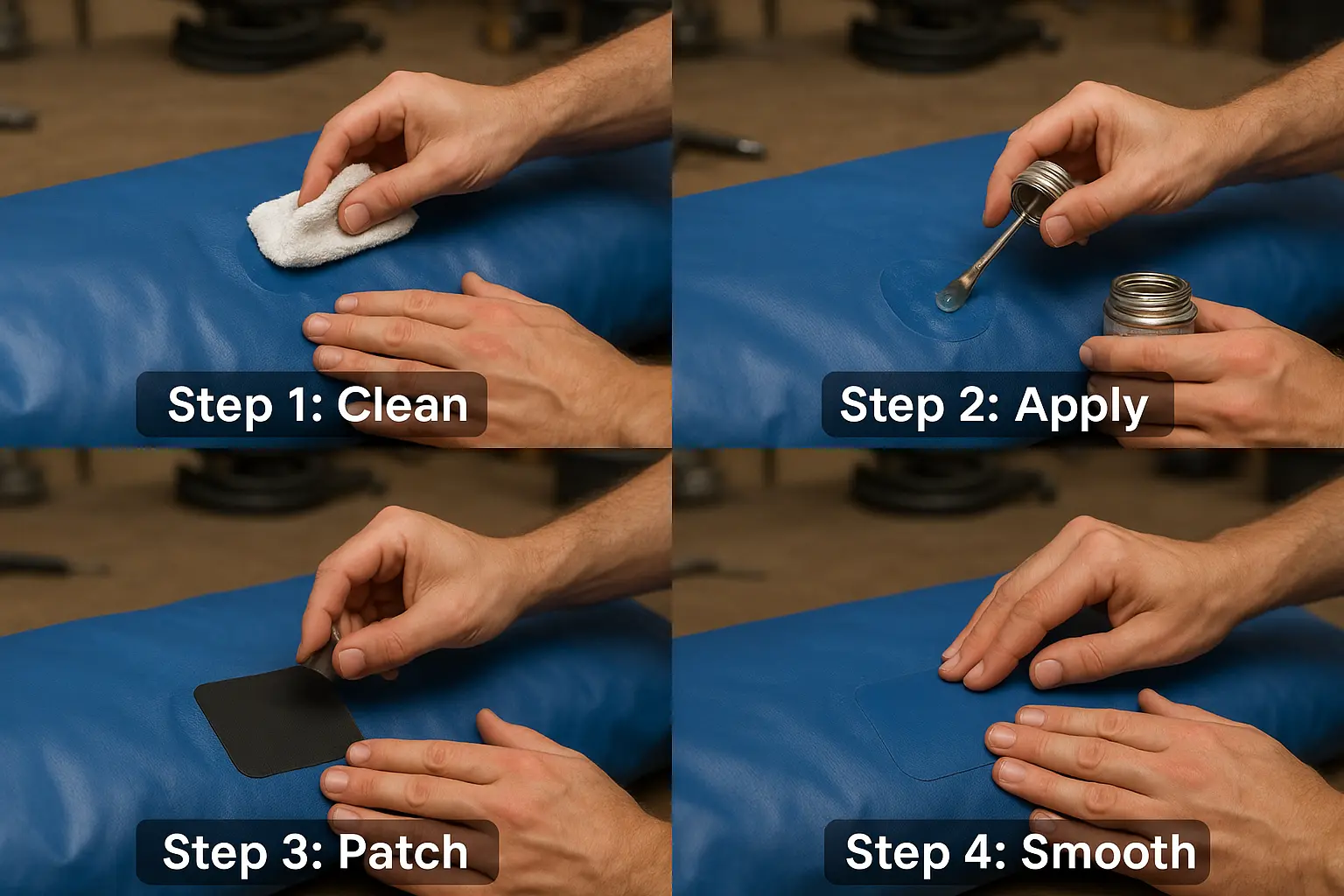
Locate the leak accurately: Partially inflate the equipment, listen for escaping air sounds, or spray soapy water on the surface. Bubbles will appear at the exact leakage point.
-
Clean and dry the repair area: Wipe the damaged part and a 2-inch surrounding area with alcohol or soapy water to remove dust, oil and stains. Keep the surface completely dry to ensure stable adhesion.
-
Cut a standard patch: Trim a patch 1 inch larger than the damaged area on all sides, and round all corners to prevent edge warping and peeling of square patches.
-
Apply primer coating: Spread a thin and even layer of special adhesive on the back of the patch and the repair area as a primer to enhance penetration and adhesion, eliminating the need for repeated surface roughening.
-
Wait for proper tackiness: Let the primer dry for 5-10 minutes (adjust according to temperature and humidity) until the surface is slightly tacky but not sticky.
-
Fit and flatten the patch: Apply a second layer of adhesive, align the patch with the damaged area, press firmly from the center outward, and use a roller to squeeze out all air bubbles to avoid hollow gaps.
-
Fix and cure completely: Fix the patch edges with masking tape to prevent displacement. Let it cure for more than 6 hours before inflation and use to ensure a stable bond.
Fix Medium & Large Tears
Tears longer than 6 inches or located in high-stress areas are not recommended for simple DIY repair. It is better to turn to professional technicians. For repairable medium tears in low-stress positions, follow the methods below:
-
Cut a oversized patch with a 1.5 cm overlapping range on all sides of the tear, and polish the edges smoothly without burrs.
-
Adopt double-sided reinforcement for structural key areas: paste patches on both inner and outer sides of the crack to greatly improve tensile resistance and repair firmness.
-
Press the patch flat with a heavy object during the curing process to avoid warping and ensure an integrated and durable repair surface.
Valve Maintenance & Repair Methods
Most valve air leakage is caused by poor sealing rather than structural damage. Regular maintenance can effectively avoid such faults:
-
Regular cleaning: Frequently remove dust and debris from the valve gap to ensure the valve can be completely closed.
-
Seal inspection and replacement: Check the rubber sealing ring regularly. Replace aging, deformed and cracked seals in time to prevent gradual air leakage deterioration.
-
Standard valve replacement: Mark the installation position before disassembling the damaged valve to ensure accurate reinstallation alignment, and operate gently to avoid scratching the surrounding inflatable material.
-
Sealing test: Conduct a full inflation test after maintenance or replacement to confirm no air leakage and normal valve operation.
Scientific Preventive Maintenance Strategies
Preventive maintenance is more economical and effective than repeated repairs. Standardize daily use and storage habits to minimize equipment wear and extend the service life of inflatable attractions.
Standard Site Setup Protection
Before each use, carefully inspect the site for sharp objects, gravel and rough protrusions. Lay a professional ground tarp under the inflatable equipment to isolate friction and puncture risks and protect the bottom material from abrasion damage.
Scientific Cleaning & Drying Rules
Clean surface dirt and stains with mild soapy water after each use. Do not use strong corrosive chemicals to prevent PVC/vinyl material aging and hardening. Ensure the equipment is completely dry before storage to avoid mildew, material deterioration and adhesive failure.
Reasonable Storage Management
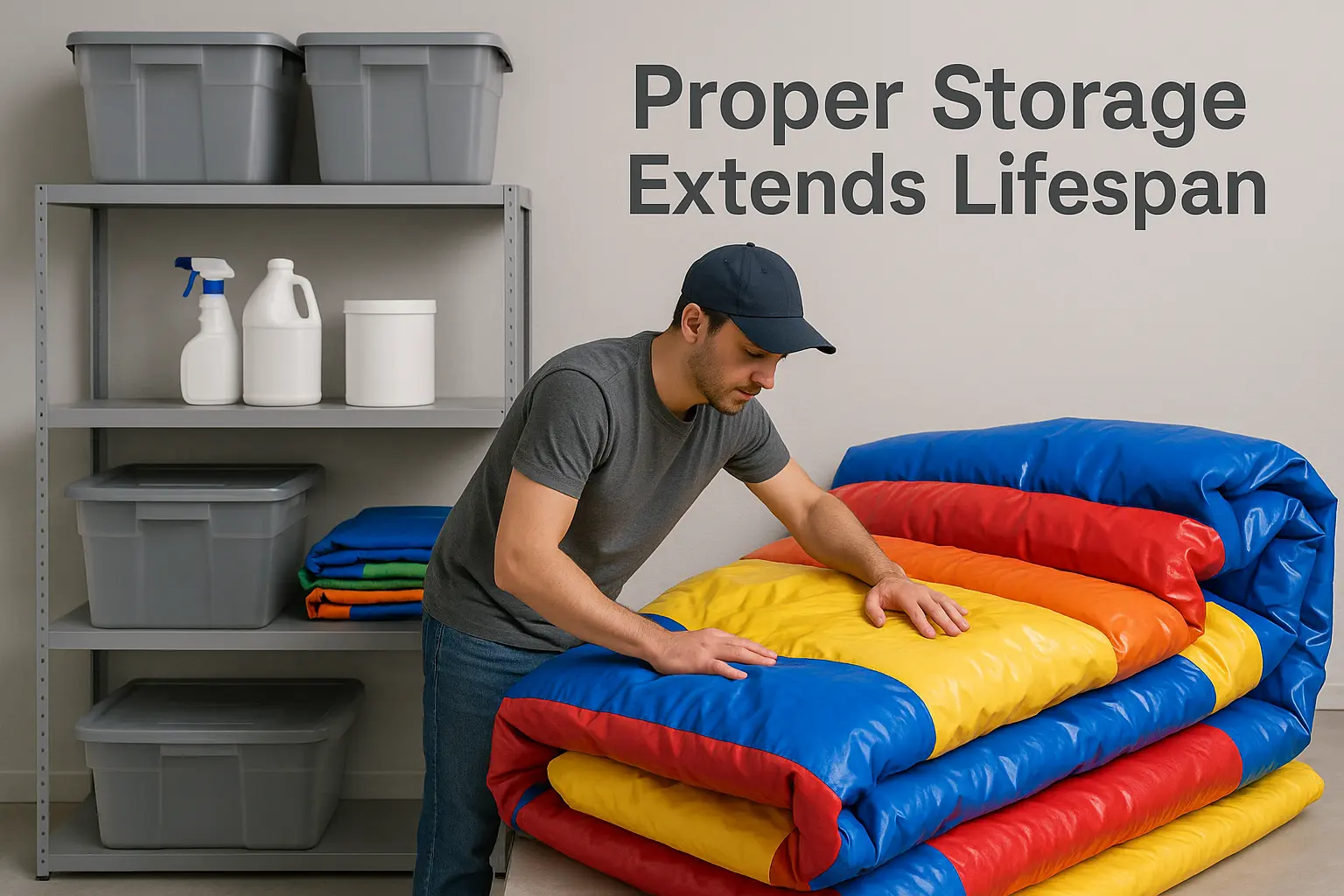
Store inflatables in a cool, dry and ventilated indoor environment, avoiding long-term direct sunlight and extreme temperatures, which will cause material brittleness and aging. Do not fold along fixed creases for a long time to prevent stress concentration and cracking.
Regular Comprehensive Inspections
Carry out a full detailed inspection every month, focusing on seams, valves, anchor points and high-friction areas. Detect minor wear and tiny leaks in advance to avoid large-area damage and high-cost repairs.
When to Seek Professional Inflatable Repair Services
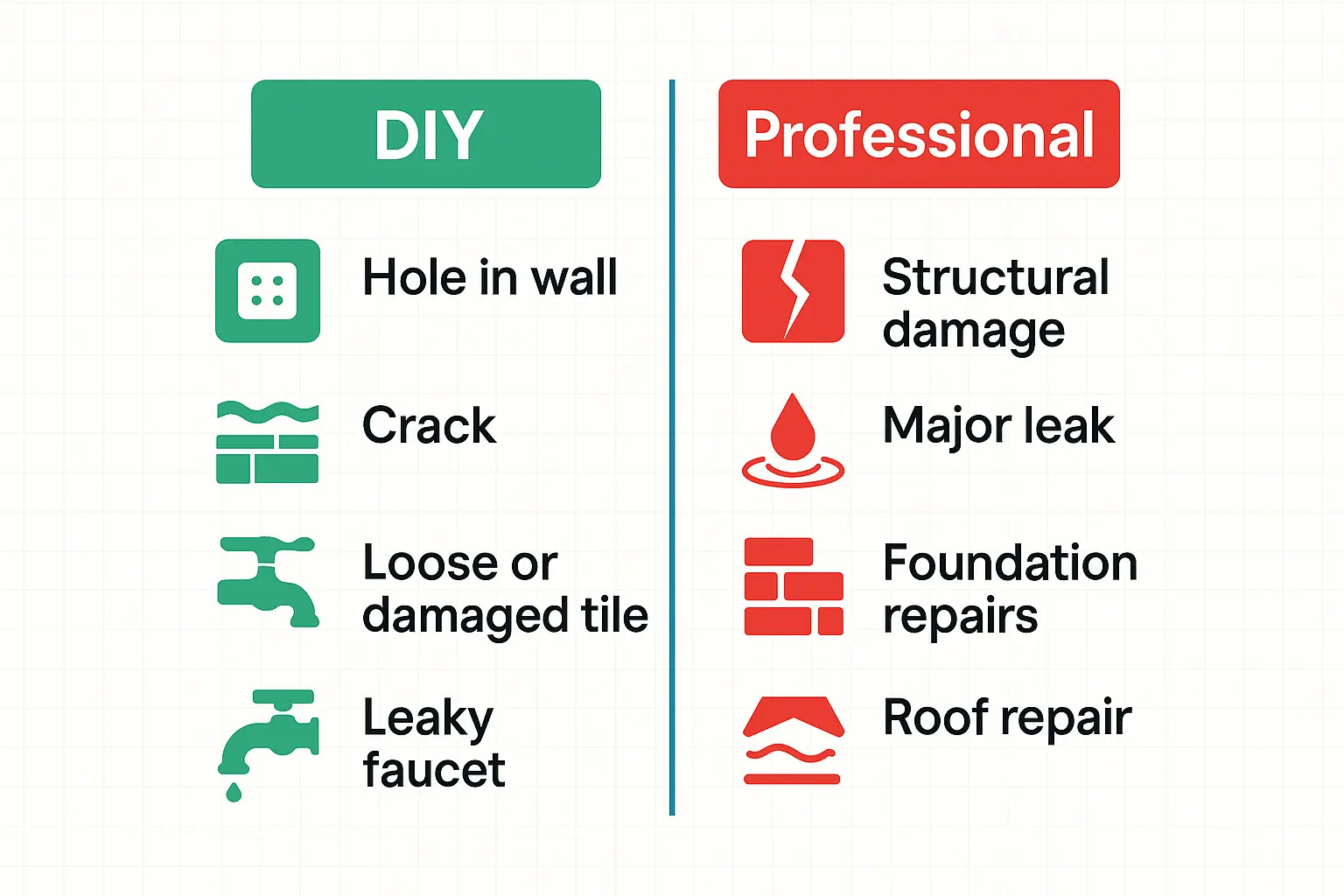
Although DIY repairs solve most minor faults, some structural and safety-related damage requires professional technical support to eliminate hidden dangers and avoid equipment scrapping:
-
Complex structural damage: Internal baffle rupture, large-area seam separation and load-bearing structure failure, which require professional disassembly, positioning and customized reinforcement.
-
Safety-critical component damage: Damage to slide exits, climbing wall connection points and other stress-bearing areas. Unqualified DIY repairs will lead to serious safety hazards during use.
-
Warranty-protected equipment: Unauthorized DIY repairs may void the manufacturer's official warranty, while professional official repairs can maintain warranty validity and original equipment performance.
MinyeFun's professional repair team is proficient in the material characteristics and manufacturing technology of commercial inflatable products, ensuring all repaired equipment meets original safety and quality standards.
Conclusion: Maximize Your Inflatable Investment Value
Inflatable amusement equipment is a high-cost-performance investment for family entertainment and commercial venues. Timely standardized repairs and long-term scientific maintenance can effectively avoid premature equipment aging and frequent damage, greatly reducing operating and replacement costs.
Mastering basic DIY repair skills enables you to quickly solve common problems such as punctures, air leaks and valve failures. Meanwhile, distinguishing DIY-repairable faults and professional-only damage is the key to ensuring equipment safety and stability.
Adhere to the core principle of "prevention first, timely maintenance", and standardize the whole process of setup, cleaning, storage and inspection. Your inflatable attractions can maintain long-term stable and safe operation, continuously bringing happy experiences for users and stable economic benefits for your venue.


